What Crane Inspection Means
In industrial environments, crane inspection is an essential condition assessment process that evaluates the integrity and functional reliability of lifting equipment. It’s not just a quick glance; it’s a systematic review of the crane's components to identify mechanical fatigue, structural damage, and operational faults before they compromise safety or halt production.
It’s important to understand the difference between routine checks and formal inspections. Routine checks are typically daily, pre-use visual assessments performed by the operator. Formal inspections are deeper, documented reviews performed by knowledgeable personnel at scheduled intervals. Exact inspection requirements depend heavily on equipment type, jurisdiction, applicable standards, manufacturer instructions, and local site conditions.
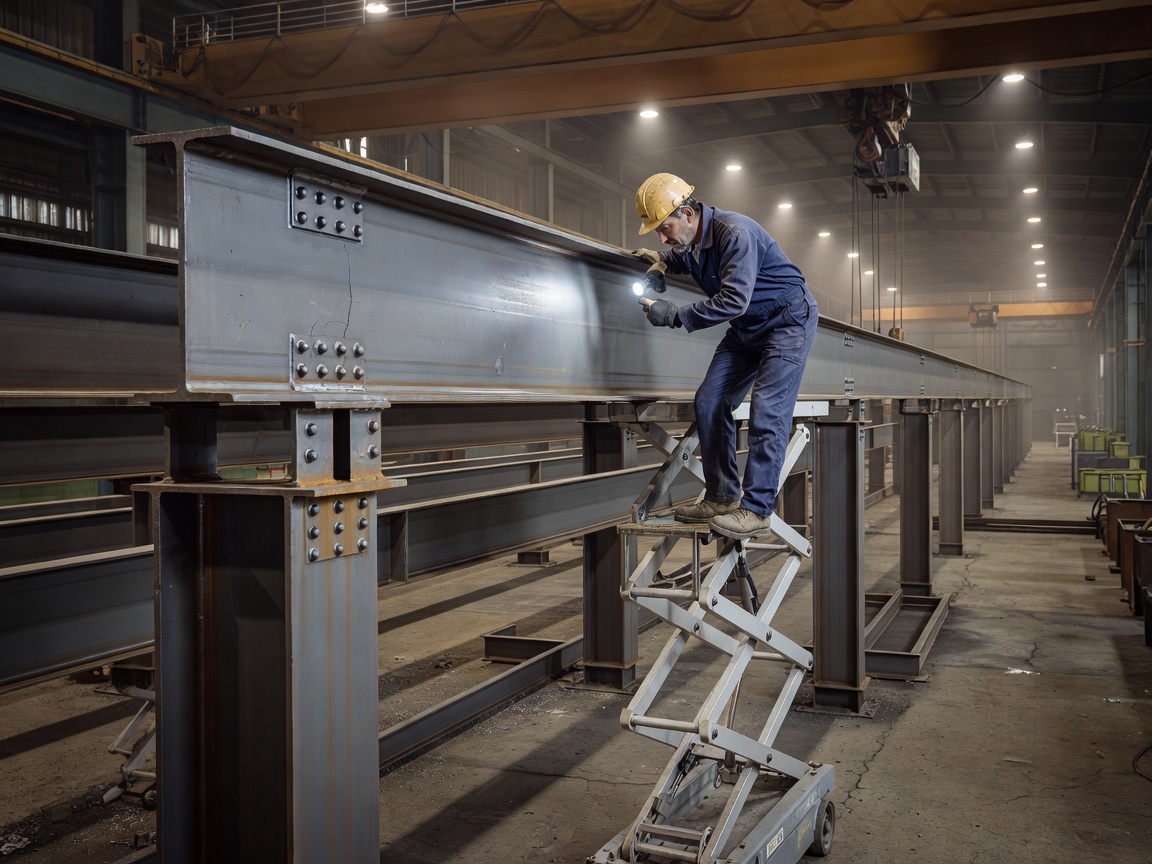
Structural and Mechanical Assessment
The structural backbone of any overhead or gantry crane takes immense stress during lifting cycles. Structural condition assessments look closely at main girders, end carriages, and runway beams. Evaluators are looking for cracks in welds, deformation in load-bearing members, and significant corrosion that could weaken the steel framework.
Mechanical components endure continuous friction and dynamic loading. Critical elements include:
- Hoists and Drives: Checking gearbox casings, looking for oil leaks, and ensuring the lifting mechanism operates smoothly without abnormal vibrations.
- Brakes: Evaluating brake pad wear, linkage integrity, and ensuring the braking system can hold the rated load securely.
- Wire Ropes: A vital part of the lift. Ropes must be checked for broken wires, crushing, kinking, and internal corrosion.
- Hooks: Inspecting the hook for throat opening expansion, twisting, and verifying the functionality of the safety latch.
Electrical Systems and Controls
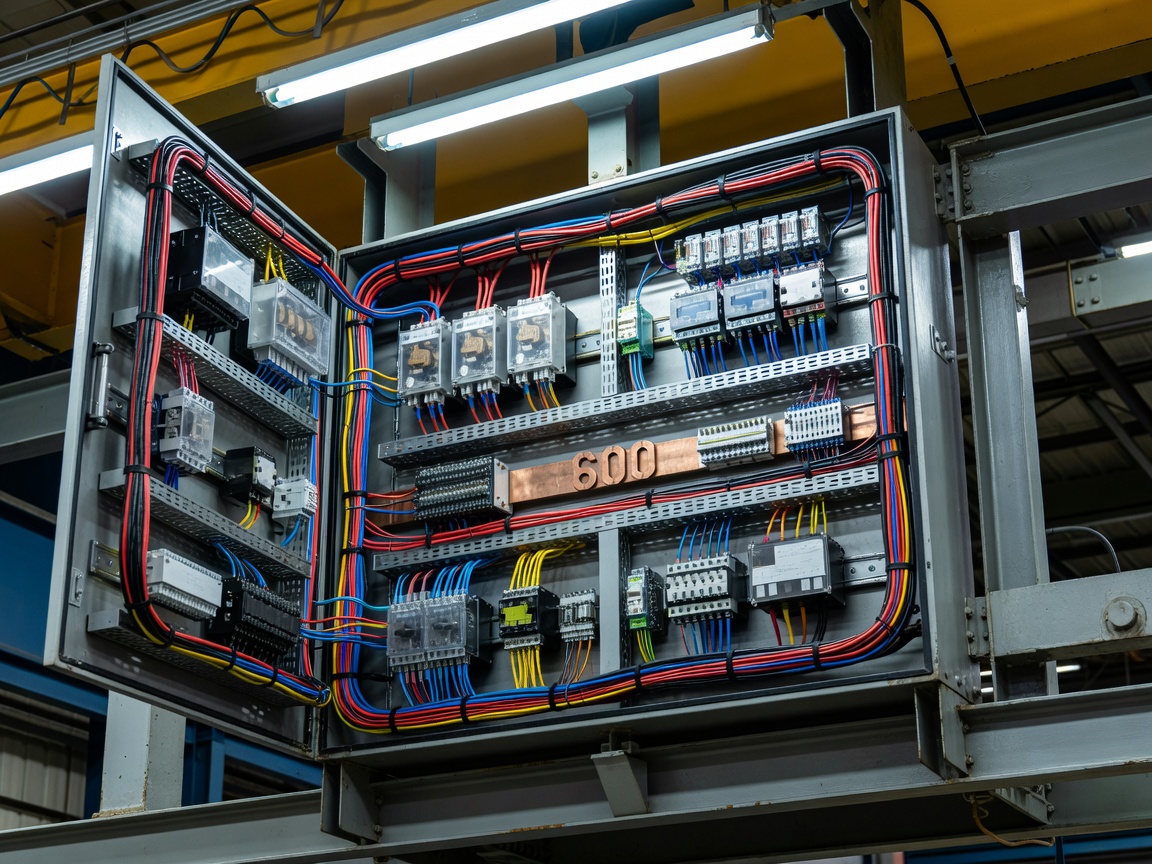
Modern industrial cranes rely heavily on complex electrical systems. The assessment of electrical systems covers control panels, pendants, radio remote controls, and power supply systems (like festoon cables or conductor bars).
Limit devices are a primary safety feature. Upper and lower hoist limit switches, travel limit switches, and overload protection systems must be functionally checked to ensure they stop the crane's motion precisely when intended. Faulty electrical components or bypassed limit devices represent a severe operational risk.
Documentation and Frequency
A thorough inspection loses its value without proper documentation. Defect recording allows engineering and maintenance teams to track the degradation of components over time. Documentation should clearly state what was inspected, the condition found, and any recommended actions.
Inspection frequency considerations vary. A crane operating outdoors in a corrosive environment, handling loads near its maximum capacity three shifts a day, requires much more frequent and rigorous inspections than a standby crane in a clean workshop used once a month. The appropriate intervals must align with manufacturer guidelines and the specific operational reality of the facility.