Site Control and Communication
Examining large overhead machinery poses significant risks to both the personnel performing the check and the workers on the floor below. Pre-inspection planning relies heavily on robust site communication. All affected shift supervisors, operators, and floor staff must be informed of the exact timeframe and location of the shutdown.
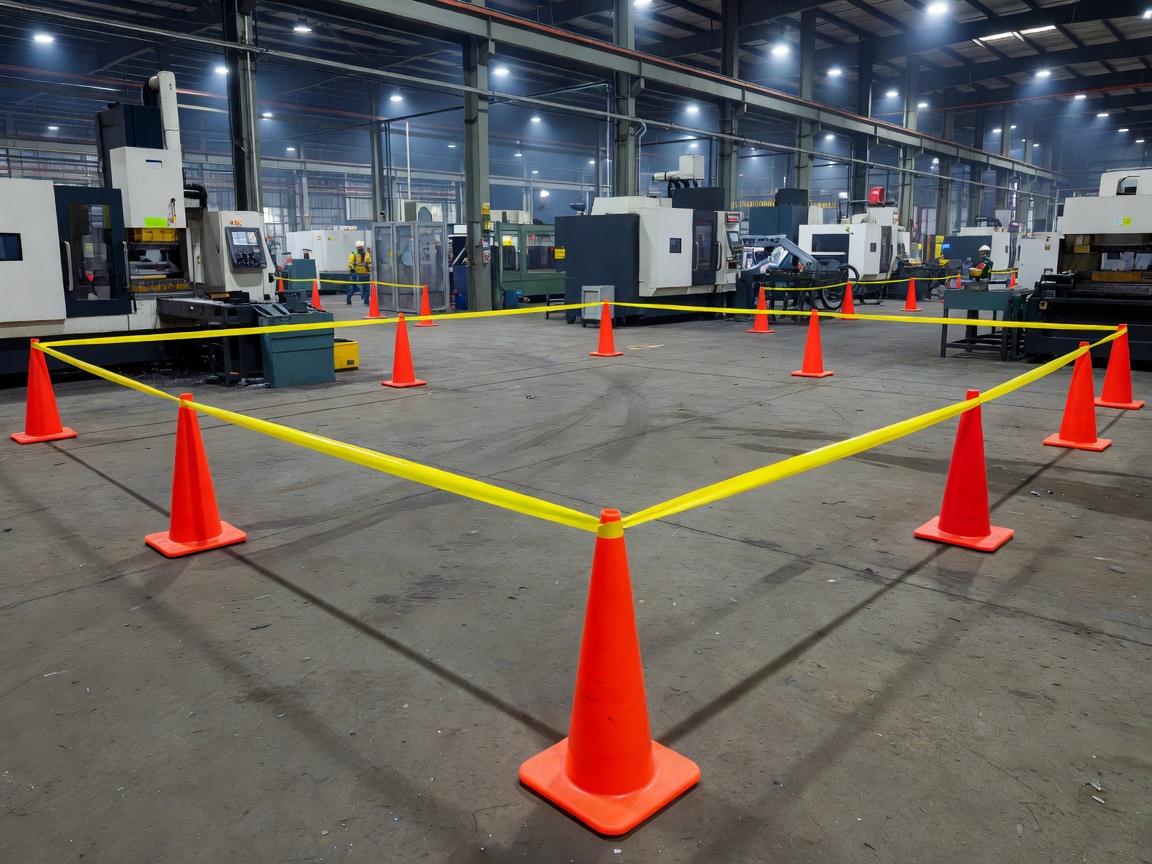
Establishing physical inspection zones and strict access control prevents unknowing personnel from wandering under suspended components or test loads. When heavy equipment is being tested, the floor beneath it is a strictly controlled environment.
Energy Isolation and Height Safety
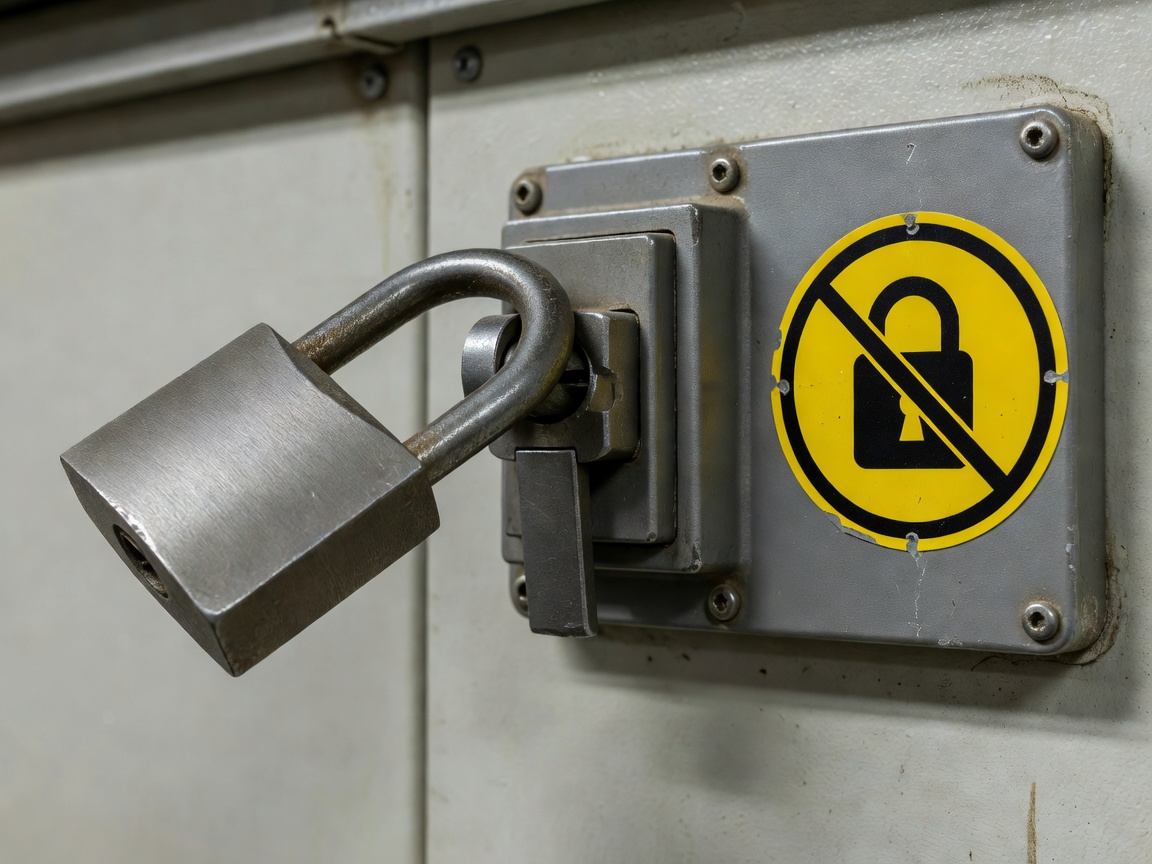
During the visual assessment phase, the crane must not move. Equipment shutdown and strict isolation procedures (often referred to as Lockout/Tagout) ensure that electrical power is entirely disconnected and secured. This prevents accidental startup if an operator enters the cabin or uses a remote control unknowingly.
Furthermore, because overhead cranes reside high up in the building structure, working at height considerations are paramount. Properly rated harnesses, secure anchor points, and designated elevating work platforms must be utilized. Navigating narrow crane walkways requires extreme caution and situational awareness.
Managing Discovered Hazards
Safety planning doesn't end when the physical check concludes. It includes the protocol for defect escalation. If an inspector identifies a critical flaw—such as a fractured primary lifting hook—there must be a predefined procedure to immediately lock the crane out of service and notify plant management.
Follow-up actions and documentation form the final step, ensuring that identified hazards are entered into the facility's safety and maintenance tracking system for immediate rectification.