Preparation and Identification
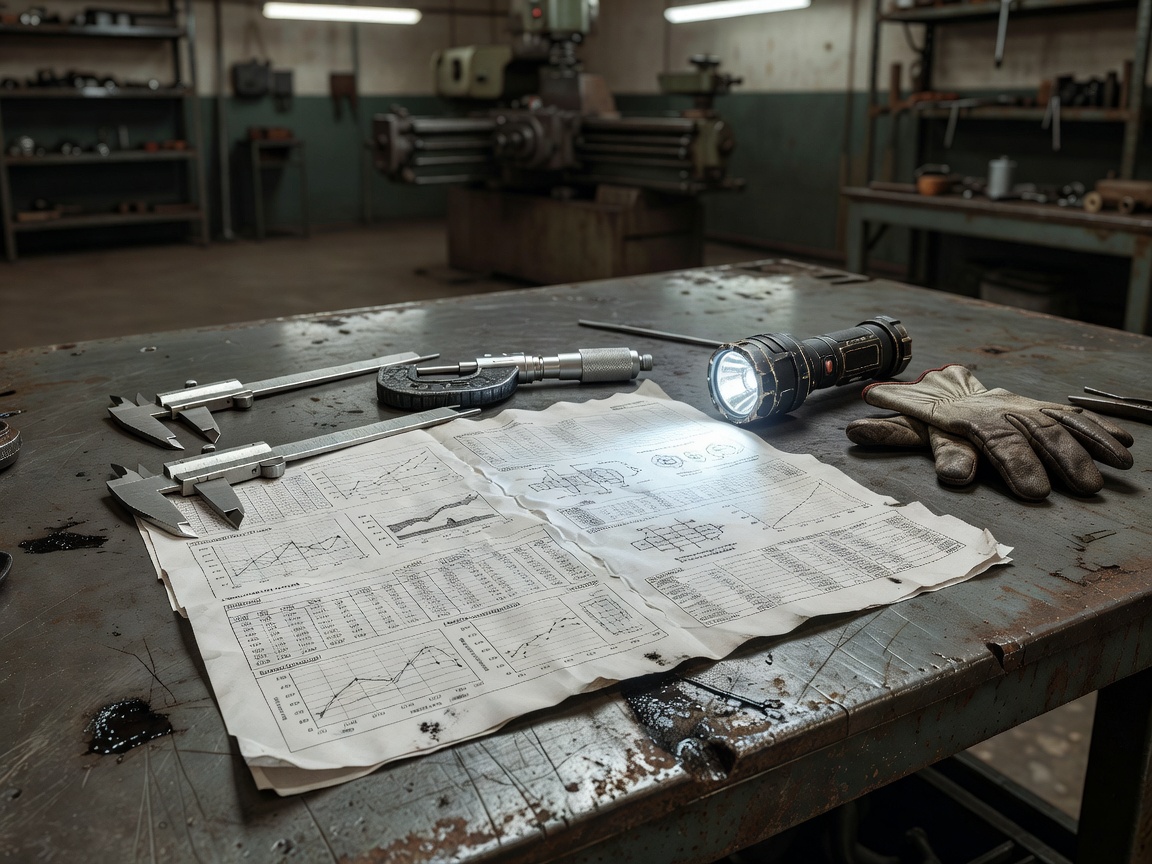
Every effective inspection begins before anyone steps onto the facility floor. Preparation involves coordinating the downtime with production schedules and establishing a clear safety perimeter. Equipment identification is crucial; inspectors verify the specific asset tag, serial number, and known history to ensure they are evaluating the correct machine.
Next is the documentation review. Reviewing past maintenance logs, previous defect reports, and manufacturer manuals highlights known problem areas and ensures the evaluator understands the specific design tolerances of that particular crane model.
Visual and Functional Assessment
The core of the workflow is split into two phases: visual and functional.
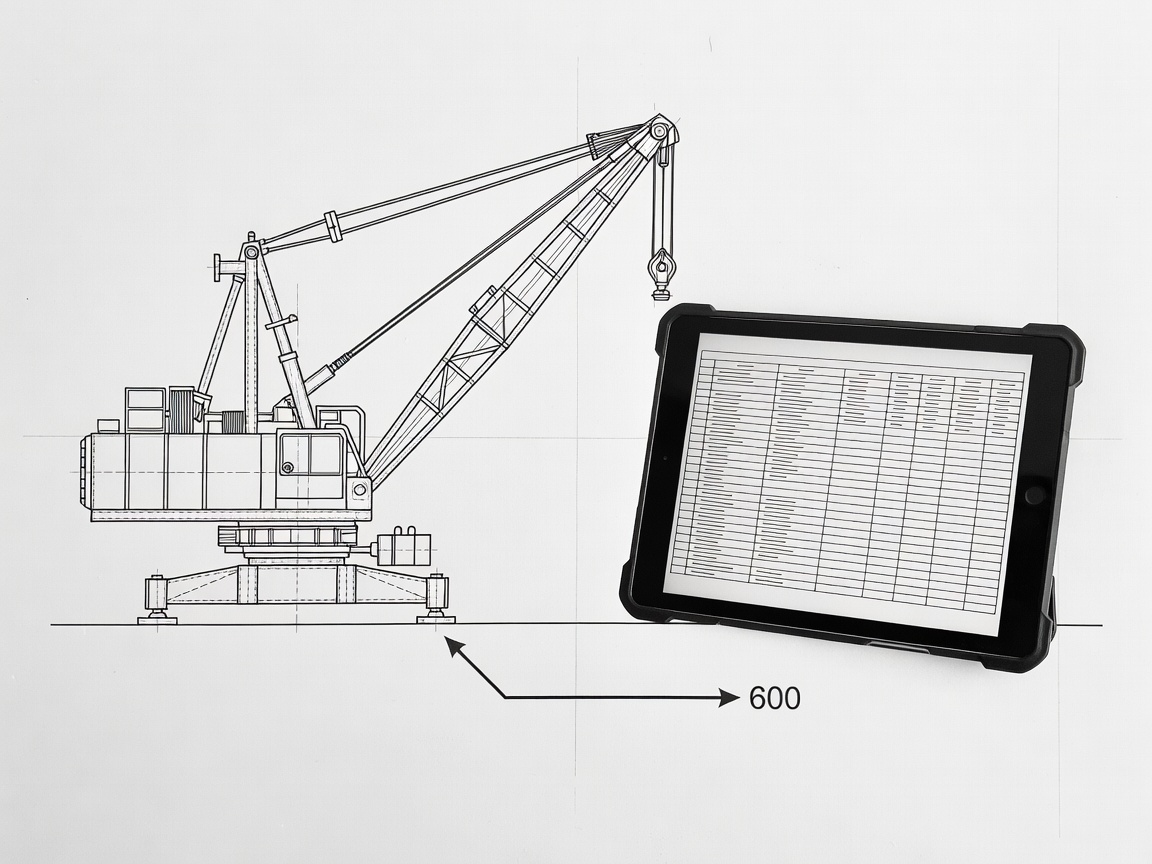
During the visual assessment, the evaluator performs a close-up examination of the physical structure, walking the length of the crane (if accessible via safe walkways) or using mobile elevating work platforms. This covers component inspection—scrutinizing welds, bolts, wire ropes, sheaves, and the hook assembly for visible damage, corrosion, or deformation.
Functional checks involve operating the crane without a load, and sometimes with a test load, to observe its behavior. This checks for smooth acceleration, abnormal grinding or screeching noises, and verifies that all travel motions are functioning correctly. Importantly, all safety limits, such as hoist upper limits and travel end-stops, are deliberately tested to confirm they engage properly.
Recording and Follow-up
Observations are useless if not accurately captured. Defect recording requires noting the exact location, nature, and severity of any issue found. These findings are subject to risk prioritization. A slightly worn contactor might just need monitoring, whereas a frayed wire rope demands immediate removal of the crane from service.
The final steps involve producing maintenance recommendations based on the findings, followed by compiling the formal follow-up documentation. Please note that actual inspection procedures vary according to equipment type, facility conditions, and applicable regional requirements.